

We may earn money or products from the companies mentioned in this post.
3D printing involves creating three-dimensional objects from digital files. This process layers materials like plastic, metal, or resin to build objects with complex geometries. Initially reserved for industrial applications, 3D printing has become accessible to hobbyists and educators. Its ability to prototype quickly and customize products has revolutionized healthcare, automotive, and fashion sectors.
Why Start with an Entry-Level Printer?
Starting with an entry-level 3D printer is a practical choice for beginners due to its affordability and ease of use. These printers offer a lower initial investment, making the technology accessible to a broader audience. Entry-level models are often designed with user-friendly interfaces and simplified software, reducing the learning curve. This makes them ideal for hobbyists, educators, and anyone looking to explore 3D printing without a significant financial commitment.
Affordability and Accessibility

Lower Initial Investment
Entry-level 3D printers typically come at a fraction of the cost of advanced models, making them an economical choice for beginners. This lower price point allows users to experiment with 3D printing without a significant financial commitment. It also opens the door for educational institutions and hobbyists to integrate 3D printing into their activities and curriculums, providing valuable hands-on experience.
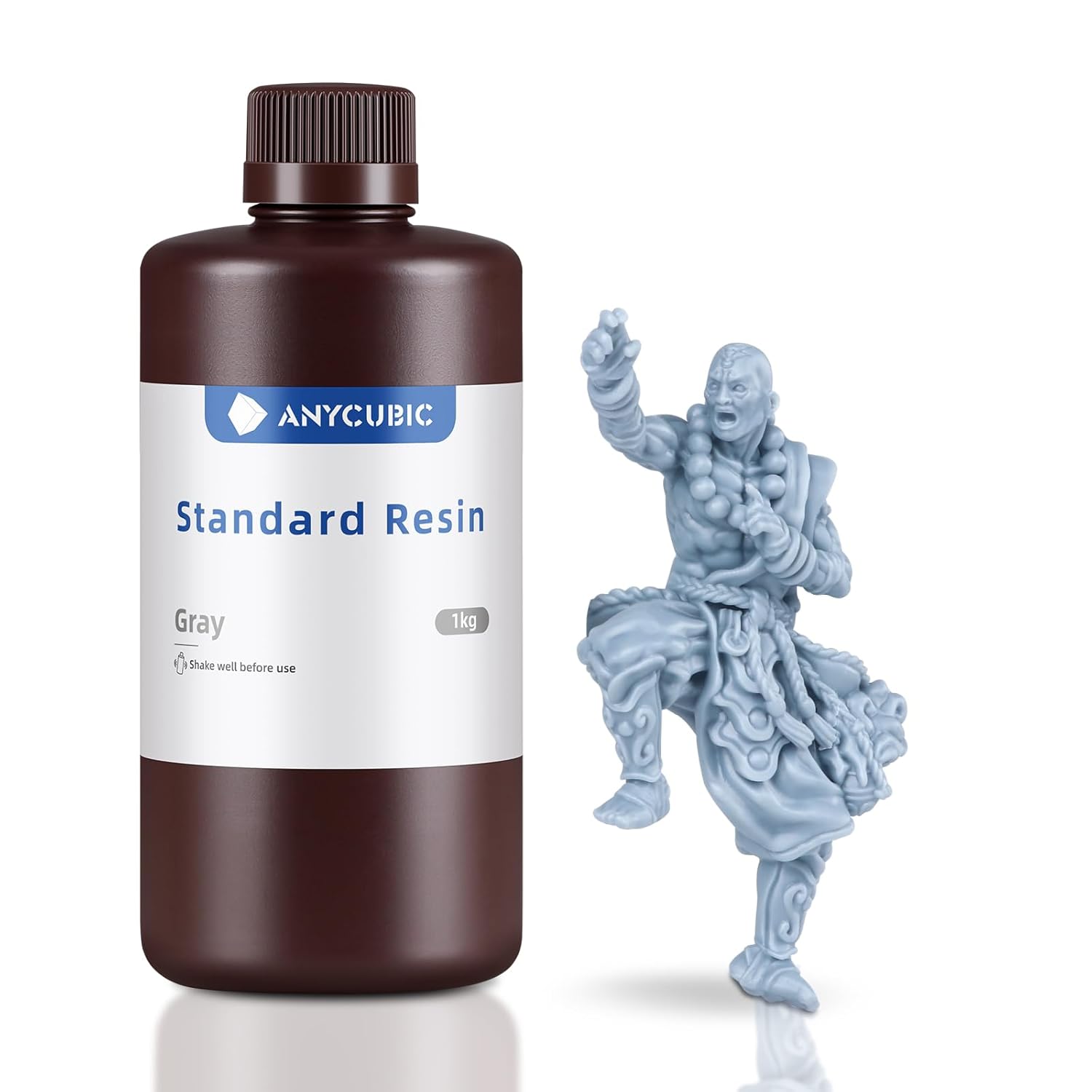
The affordability of entry-level 3D printers extends beyond the initial purchase. Consumables like filament or resin are generally less expensive, and the simpler maintenance requirements reduce long-term costs. This cost-effectiveness makes it easier for users to engage in trial and error, fostering a deeper understanding of 3D printing technologies and encouraging innovation without worrying about excessive expenses.
Ease of Use
User-Friendly Interfaces
Entry-level 3D printers often feature user-friendly interfaces designed to simplify the printing process when combined with reputable slicing software. Touchscreen controls, clear instructions, and straightforward navigation make these printers accessible even for those with no prior experience. This emphasis on ease of use helps new users build confidence as they learn the basics of 3D printing, setting the stage for more complex projects in the future.
The software bundled with entry-level 3D printers is typically designed to be proprietary to the printer. Programs like slicing software convert 3D models into printable layers, offering presets and automated settings that reduce the need for manual adjustments. Slicers like Cura or ChituBox are the community standard and are typically user-friendly.
This simplicity allows users to focus on creativity and learning, rather than getting bogged down by complex technical details, enhancing the overall user experience.
Skill Development

Learning the Basics
Entry-level 3D printers are perfect for learning the fundamentals of 3D printing. Users can gain hands-on experience with designing, slicing, and printing objects. This foundational knowledge is crucial for understanding more complex aspects of 3D printing technology. By starting with an entry-level printer, users can build a solid skill set that will serve them well as they progress to more advanced models and techniques.
The lower cost and user-friendly nature of entry-level 3D printers encourage experimentation and innovation. Users can try different materials, designs, and settings without the fear of making costly mistakes. This freedom to experiment fosters creativity and helps users discover new applications for 3D printing. Over time, this hands-on experimentation can lead to innovative solutions and a deeper understanding of the technology’s potential.
Versatility and Practical Applications
Customization and Prototyping
Entry-level 3D printers offer immense versatility, allowing users to customize and prototype a wide range of objects. From personalized gifts to functional parts, the ability to create bespoke items is a significant advantage. This capability is particularly valuable for small businesses and hobbyists who need to test and refine their designs quickly and cost-effectively, making 3D printing an essential tool for innovation.
The practical applications of 3D printing in education are vast. Entry-level printers make it feasible for schools to incorporate 3D printing into their curriculums, enhancing STEM education. Students can engage in hands-on projects, from creating models for science classes to designing prototypes for engineering challenges. This experiential learning fosters problem-solving skills and creativity, preparing students for future careers in technology and engineering.
Upgradability and Scalability
Modular Components
Many entry-level 3D printers are designed with modular components, allowing for easy upgrades. Users can start with a basic setup and gradually add enhancements as their skills and needs grow. This scalability ensures that the printer can evolve with the user, extending its lifespan and providing a cost-effective way to access more advanced features without needing to invest in a completely new machine.
Software upgrades can significantly enhance the capabilities of entry-level 3D printers. Manufacturers frequently release updates that improve performance, add new features, and fix bugs. These enhancements can make a substantial difference in print quality and user experience. By keeping their software up-to-date, users can ensure their entry-level printers remain competitive and continue to meet their evolving needs.
Conclusion
Starting with an entry-level 3D printer offers numerous benefits, including affordability, ease of use, and opportunities for skill development. These printers provide a cost-effective way to explore 3D printing, making the technology accessible to a wide audience. They also foster creativity and innovation, allowing users to experiment and learn at their own pace. Overall, entry-level 3D printers are an excellent starting point for anyone interested in this exciting field.
Encouragement to Start
If you’ve been considering diving into the world of 3D printing, there’s no better time to start than now.
We personally use and recommend the brand ANYCUBIC. They have a range of 3D printers, from entry-level to advanced.
Entry-level printers offer an accessible and affordable way to learn and experiment. With a wealth of resources and community support available, you’ll find it easier than ever to get started and grow your skills. Don’t hesitate—embark on your 3D printing journey today and unlock a world of possibilities.